
![[INTERVIEW] Greek fermentation lab brings kimchi to local tables](/uploads/articles/interview-greek-fermentation-lab-brings-kimchi-to-local-tables-a46b30f36f0bf6a4045ac883.png)
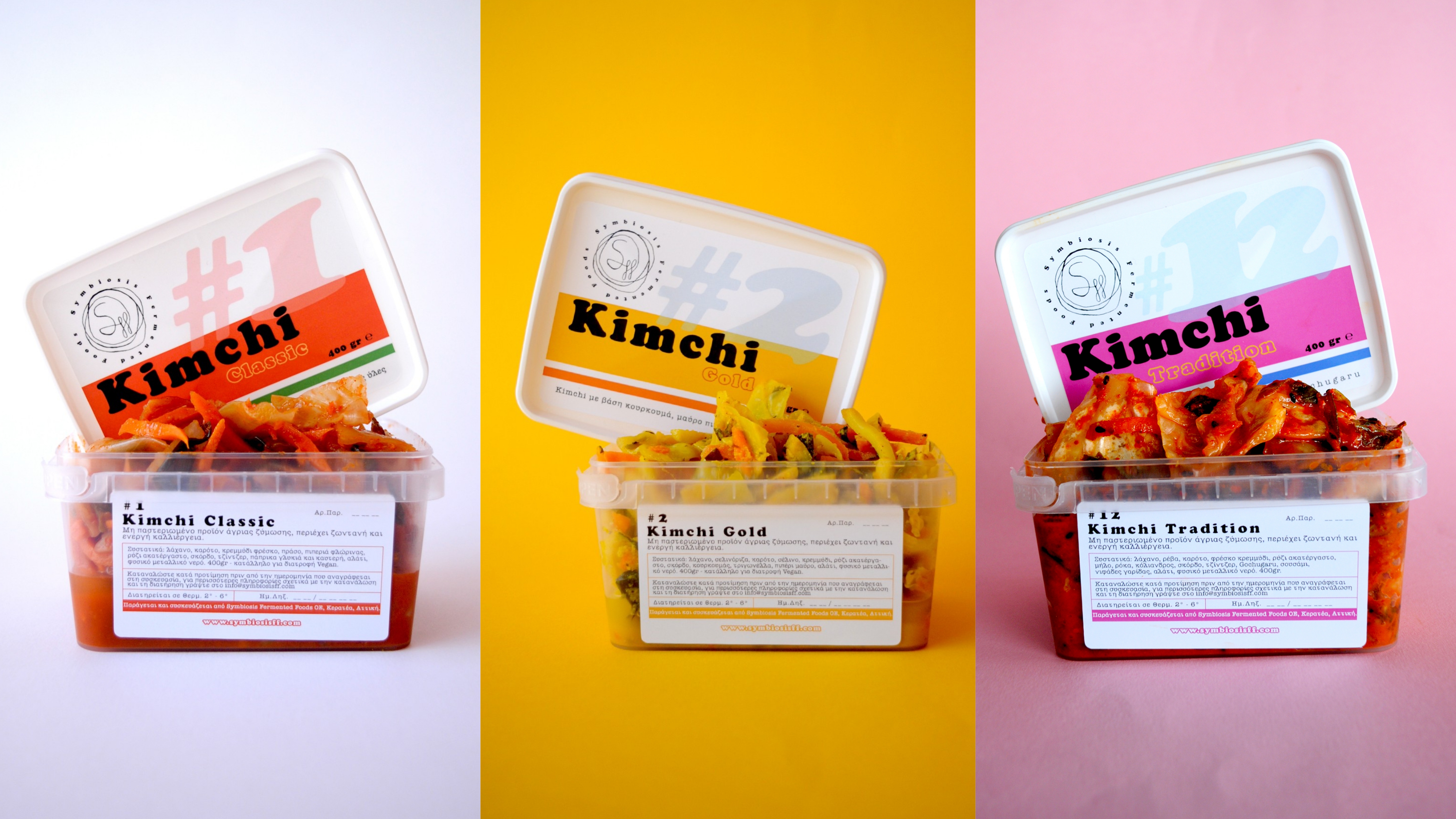
Symbiosis Fermented Foods (SFF) is a Greek fermentation laboratory based in Keratea, Greece. Founded nearly three years ago by Aggelos Kontos and Miriam Roncero Val, SFF uses the ancient art of fermentation to offer Greek consumers a taste of Korea’s most iconic fermented food—kimchi—alongside a variety of other unique and flavorful creations.
Driven by their love for nature and a deep commitment to sustainable food practices, Aggelos and Miriam not only introduce the bold flavors of kimchi to the Greek market but also cultivate a connection between Greek and Korean culinary traditions.
Below are excerpts from an email interview with Aggelos and Miriam from Sept. 25 to Oct. 14.

Can you tell us a bit about Symbiosis Fermented Foods?
We are Aggelos Kontos and Miriam Roncero Val (Symbiosis Fermented Foods) and we began our fermentation journey nearly 3 years ago. But our curiosity and desire to learn more about fermented foods started long before, without having the slightest idea where it would lead us. Growing up in Greece and Spain, respectively, we were always familiar with fermented foods like cheese, yogurt, olives, bread and wine. But we were interested in exploring the gastronomic roots of our cultures, as well as those of more distant ones. How was food produced before food industrialization? What production techniques have been forgotten? Thus, one thing led to another, and we started to ferment vegetables at home, amazed by the flavors we achieved. So we began to think about the idea of creating a small lab where we could produce high-quality fermented foods using local and seasonal raw materials.
How has Korean food culture or fermentation techniques influenced the development of SFF?
Without a doubt, ever since we began experimenting with vegetable fermentation, the kimchi preparation technique has captured our attention. The two-phase preparation, the use of a starchy flavoring paste, as well as the addition of ingredients with an extreme flavor profile result in a wonderfully pungent delight. Once you understand the purpose behind each step in kimchi preparation, you realize that it is a very sophisticated and versatile process. Thus, having become true Kimchi addicts, we decided early on to include a couple of Kimchi types in our catalog. We had our doubts about whether the local palate would embrace kimchi, but fortunately now we can affirm that people are very interested in trying it and are beginning to incorporate it into their diets.
What are the health benefits of fermented foods?
Not all fermented foods have the same properties, but we can observe very clear patterns in how fermentation transforms food into a more nutritious form. As food ferments, microorganisms break it down, breaking nutrients into simple forms, so they are easier for the body to absorb. Fermentation also creates additional nutrients such as very high levels of vitamins B and K, organic acids and different types of micronutrients that are beginning to be recognized. But, perhaps the most profound nutritional benefit comes from the bacteria themselves. By adding enough fermented foods into our diet, we help maintain or restore the healthy flora in our intestinal tract.
If you could change one common misconception people have about fermented foods, what would it be?
We have observed that many people have concerns about the safety of consuming fermented foods. When we hear about microorganisms, fear often arises, as we tend to associate them with disease. But thanks to advances in microbiology, today we can affirm that the majority of microorganisms are harmless or even essential for keeping us alive. Our bodies host a multitude of microorganisms, without which many functions of our body would not occur properly. Fermented foods have accompanied the growth of different cultures for thousands of years, and when produced correctly, they are safe, delicious and beneficial to our health.
For someone just starting to explore korean fermented foods, what would you recommend as the best way to introduce them into their diet?
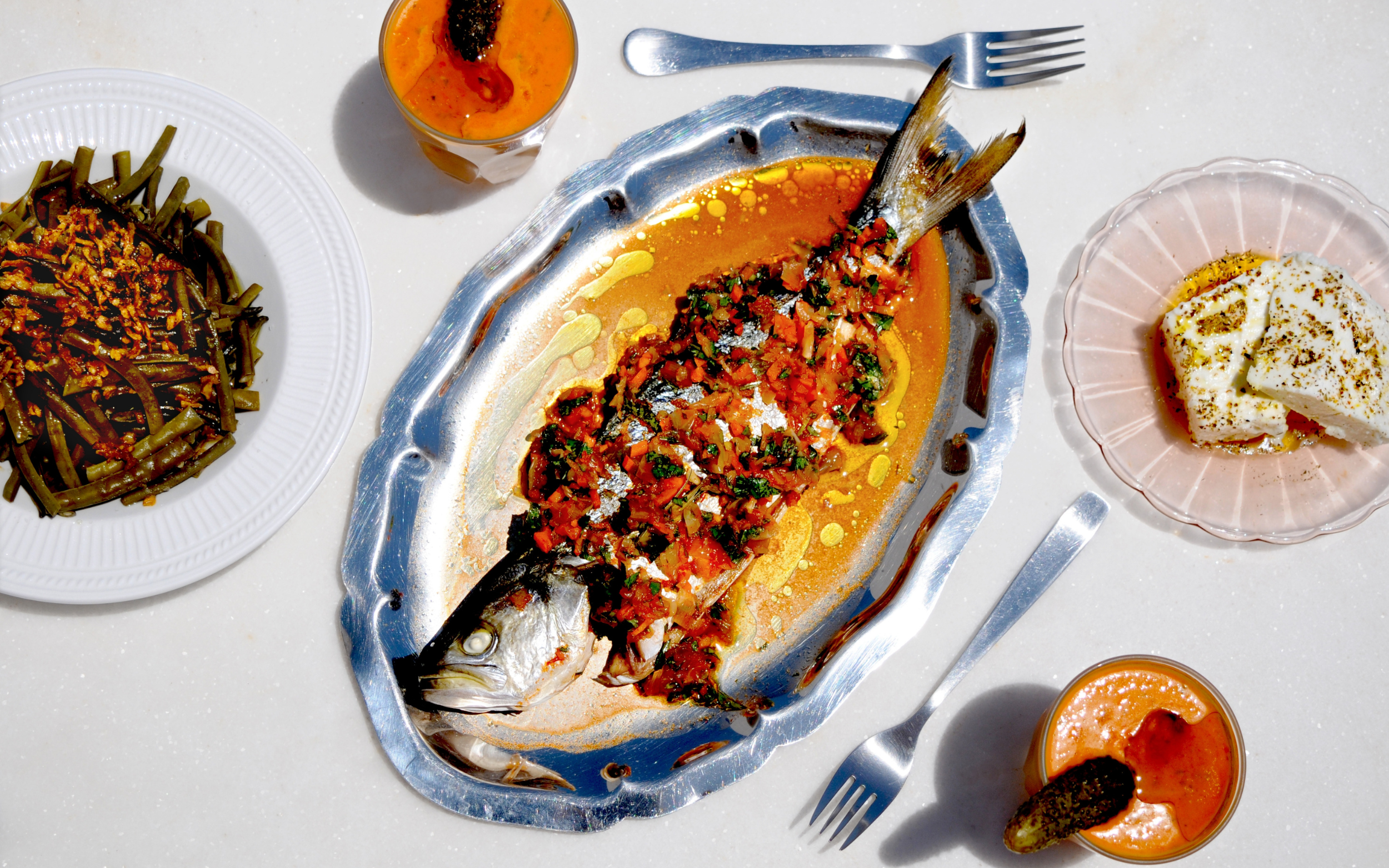
From our experience, we can attest to how versatile kimchi is when it comes to accompanying dishes. It pairs perfectly with meat and fish, not to mention the incredible flavor it adds in rice dishes. And, of course, we can’t overlook the glorious explosion of taste that comes from combining it with cheese in sandwiches. Kimchi can easily be introduced into typical gastronomic preparations from other cultures.
With the rise of K-culture, particularly through Korean food’s global popularity, have you noticed a growing curiosity or demand for fermented foods like kimchi in Greece?
Yes, we would not be able to explain what the reasons are, but we have observed a growing interest in kimchi. Restaurants are starting to add it into their dishes and people are bringing it into their homes. We could say that it is becoming very popular.
Both Greek and Korean diets are known for their health benefits. Do you think combining elements of these food cultures could create an even more powerful health food trend?
We had not thought about it, but yes, why not! One of the advantages of the easy access to information we have today is that we can learn a lot from other cultures and incorporate those practices into our daily lives. Why not learn from culinary traditions from other places and adapt them to the raw materials available in our environment to create healthier and tastier foods?