There are many ways for the essence of a country to travel beyond its borders. In the case of Korea, the entertainment industry has become one of the country’s most powerful cultural bridges, introducing audiences around the world to new forms of expression. Dance, in particular, has emerged as a language of its own, one that Korean dancers and choreographers continue to shape, evolve and share internationally. And like every language, it can be learned, interpreted and spoken by others. In Thessaloniki, Greece, that exchange became vividly to life once again during the 2026 edition of Level 10K Dance K-onvention.
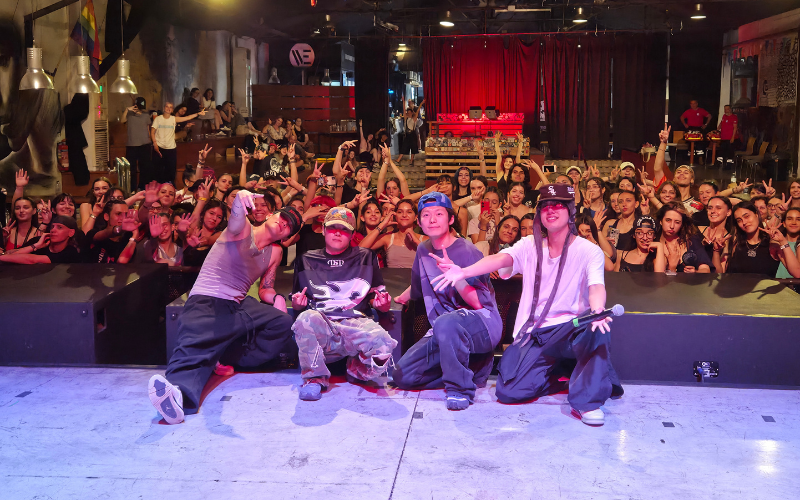
On June 27 and 28, the Level 10K Dance K-onvention held its summer edition at “WE” in Thessaloniki, bringing Korean choreographers Yejun Kim, Jrick Baek, Jimmy and Hui together with dancers from across Greece and Europe for two days of intensive dance workshops and a K-pop cover competition. Now, in its fourth year, Level 10K is a street dance camp that brings the Asian dance-training experience to Greece, with editions held in both Thessaloniki and Athens. This summer’s lineup offered participants the opportunity to train with choreographers connected to some of Korea’s leading artists and dance teams.
The four artists arrived in Thessaloniki with very different experiences behind them. Jrick Baek, has worked with artists including EXO, SHINee and RIIZE. Yejun Kim, a member of the dance team “TEAM I AM”, had danced as a backup dancer for various artists such as BIGBANG and has worked with G-Dragon and PSY, while his choreography credits include NOWZ, POW, xikers, NCT and &TEAM. Jimmy has choreographed for artists and groups including Stray kids, NEXZ and G-Dragon, while Hui has worked with TREASURE, RIIZE, NEXZ, THE BOYZ, &TEAM and ONE PACT. Their credits span various corners of K-pop performance and choreography, but in Thessaloniki they shared the same purpose: to teach, dance and connect with the people who had come to learn from them.
The first workshop of the weekend was led by Jrick Baek, who opened the convention with choreography to “Let You Go” by Nate Sib. His routine was groove-driven and moved between sharp accents and smoother transitions, incorporating body isolations and a commercial, jazz-funk sensibility. Rather than relying solely on large movements, Jrick with his vibrant energy asked dancers to ride the electronic beat shifting naturally between controlled precision and fluidity.
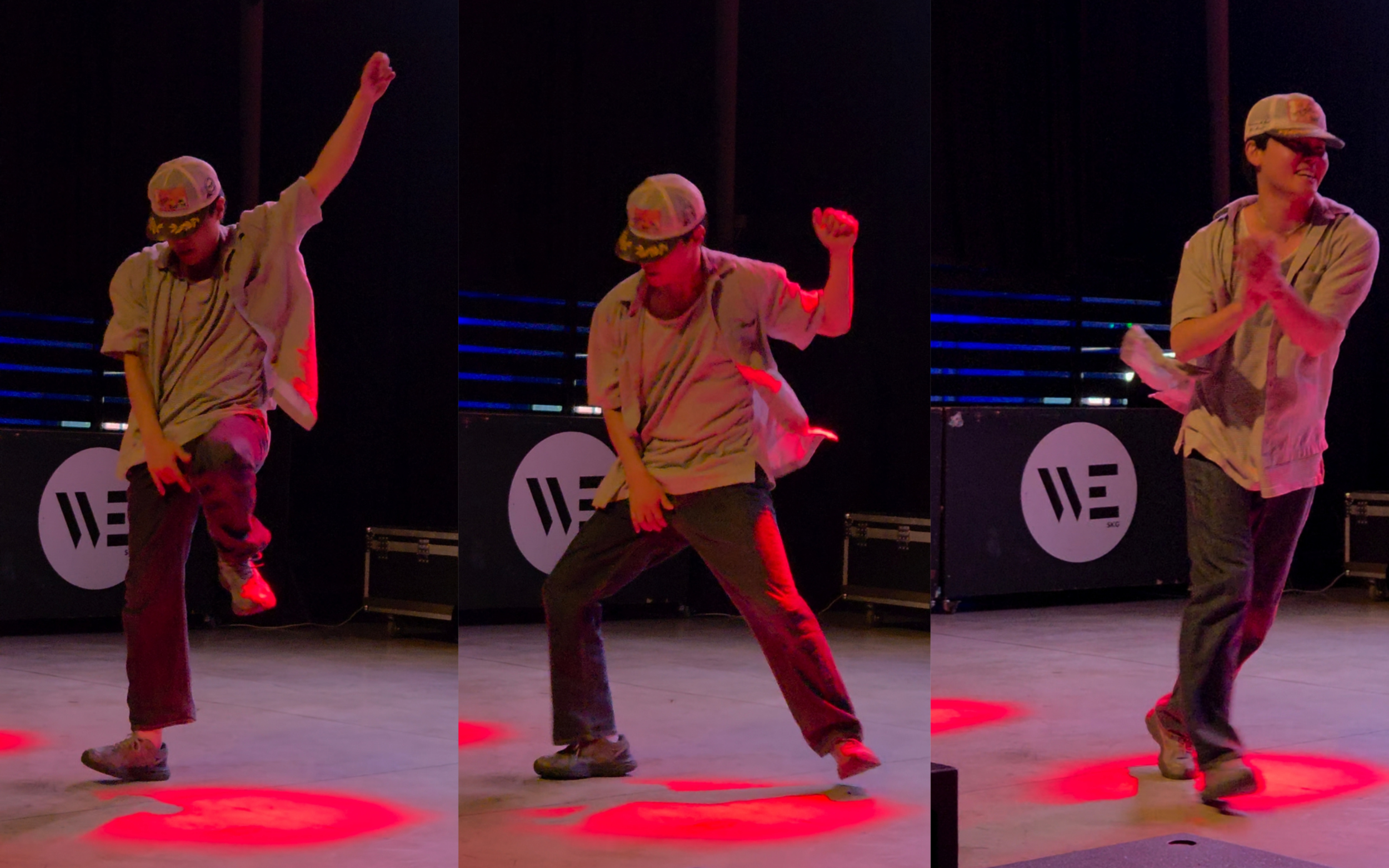
Yejun followed with “SWAG” by Justin Bieber, introducing himself to the Greek dance community for the first time. “I’m here for the first time in Greece. Thank you for coming and thank you for inviting me”, he told the dancers before beginning the class. His choreography combined a hip-hop foundation with an R&B groove, alternating confident movements with controlled pops and hits. One of its defining characteristics was its manipulation of texture: movements could suddenly become loose before snapping back into precision. With this dance, Yejun managed to create a constant contrast between relaxation and control.
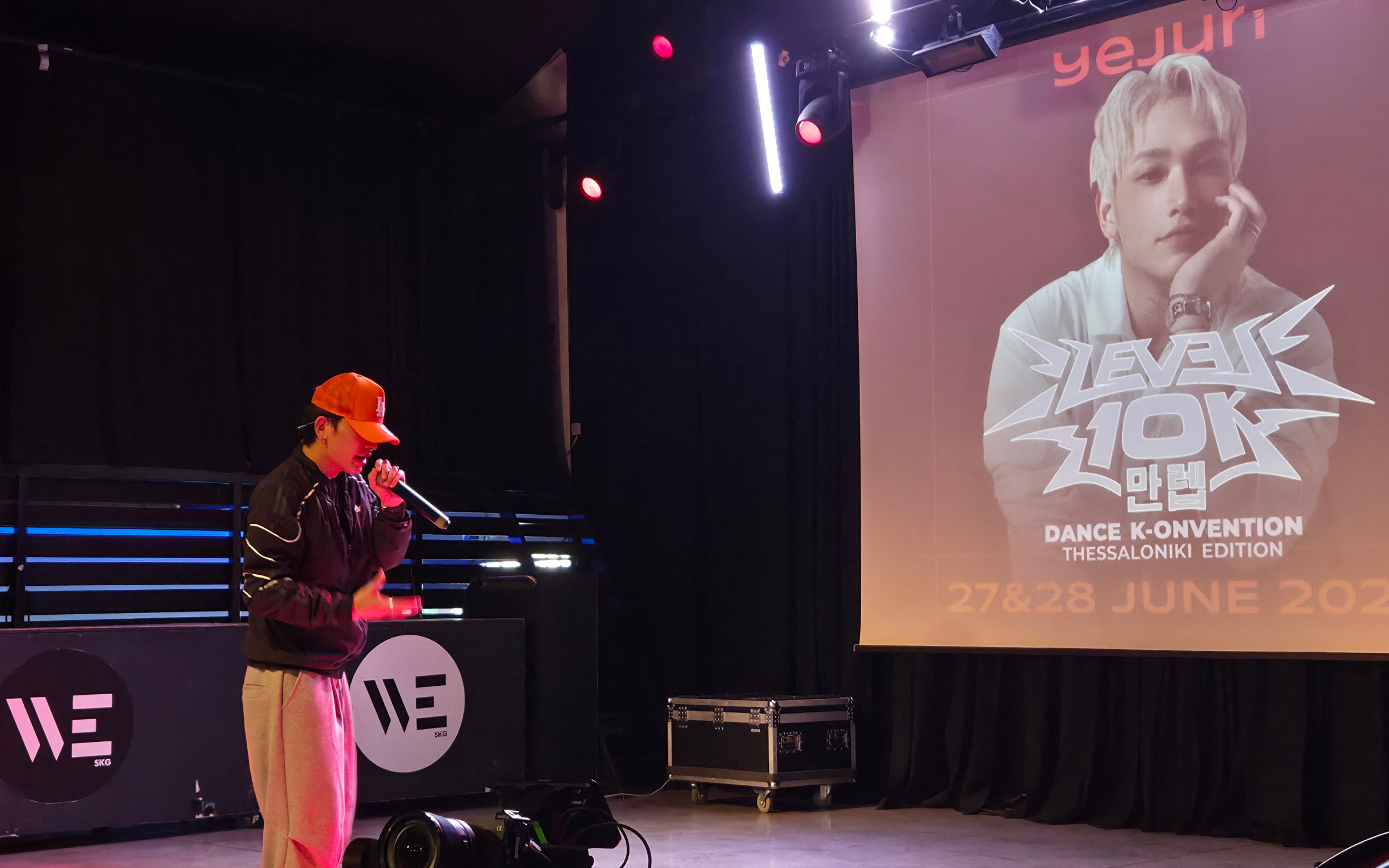
Next was Jimmy’s class, who shifted the focus toward musical interpretation. Set to “my man…” by Queen Naija and Mariah the Scientist, his choreography was rooted in R&B while drawing from hip-hop and commercial dance. With his choreography he managed the following: individual music beats became movements and changes in the instrumental were translated into changes in the body. As a result, dancers were not simply following the music but they were physically interpreting it. “It’s my first time being in Greece, so I’m so honored to be here”, Jimmy told everyone.
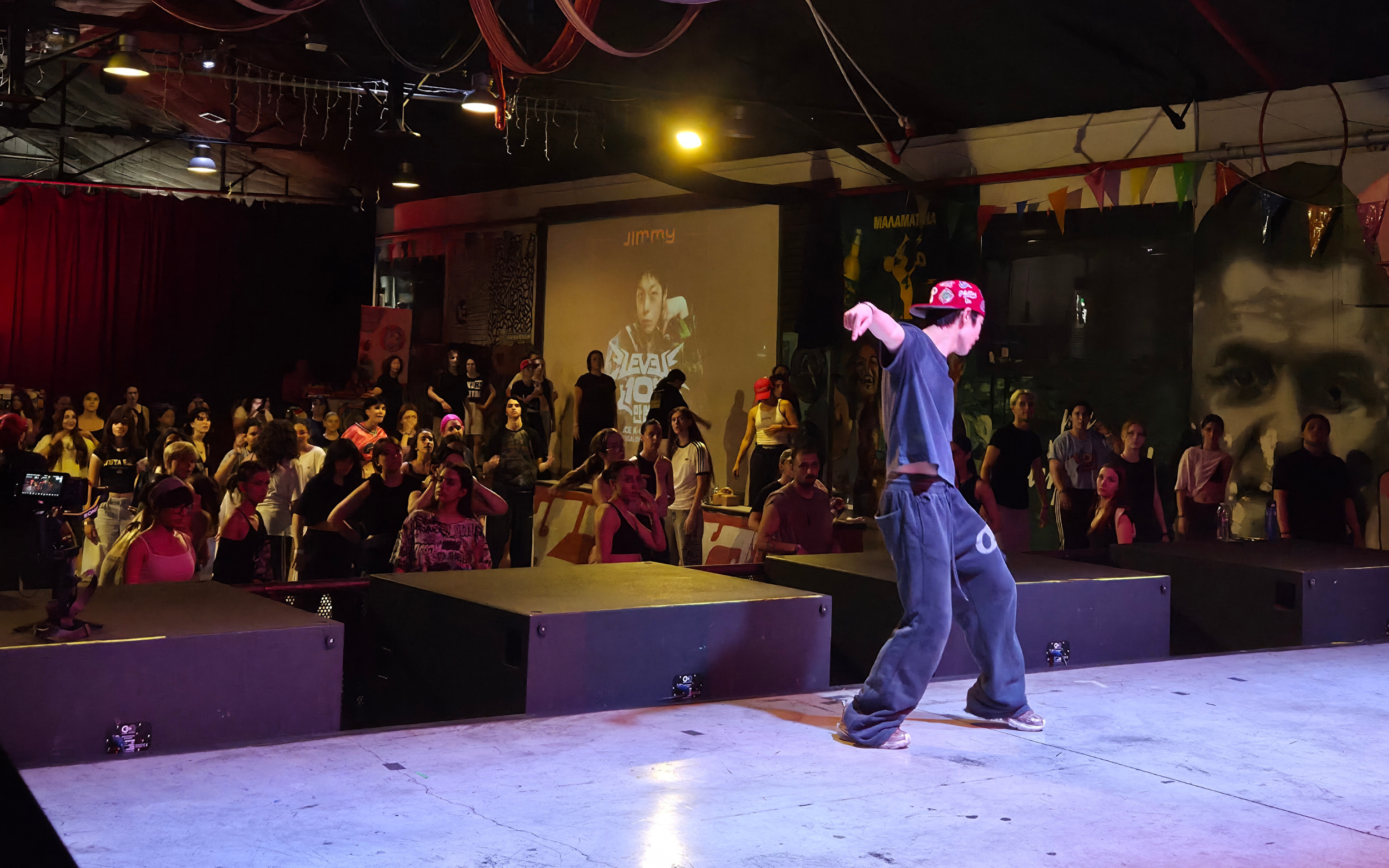
The final workshop of the first day belonged to Hui, who kept the energy high with choreography to the song “Good Good” by Usher, Summer Walker and 21 Savage. After several hours of non-stop training, he repeatedly encouraged the dancers not to lose their power and to keep pushing forward. His routine demanded exactly that: high-energy commercial hip-hop and R&B moves combined with jazz-funk and strong performance elements. Yet for Hui, technical execution was not the ultimate goal. At the end of the class, he encouraged the dancers to ask themselves a more fundamental question: What is your dance? Whether someone was able to execute every step perfectly, he explained, was less important than returning to the basics, practicing consistently and learning to truly feel the music.
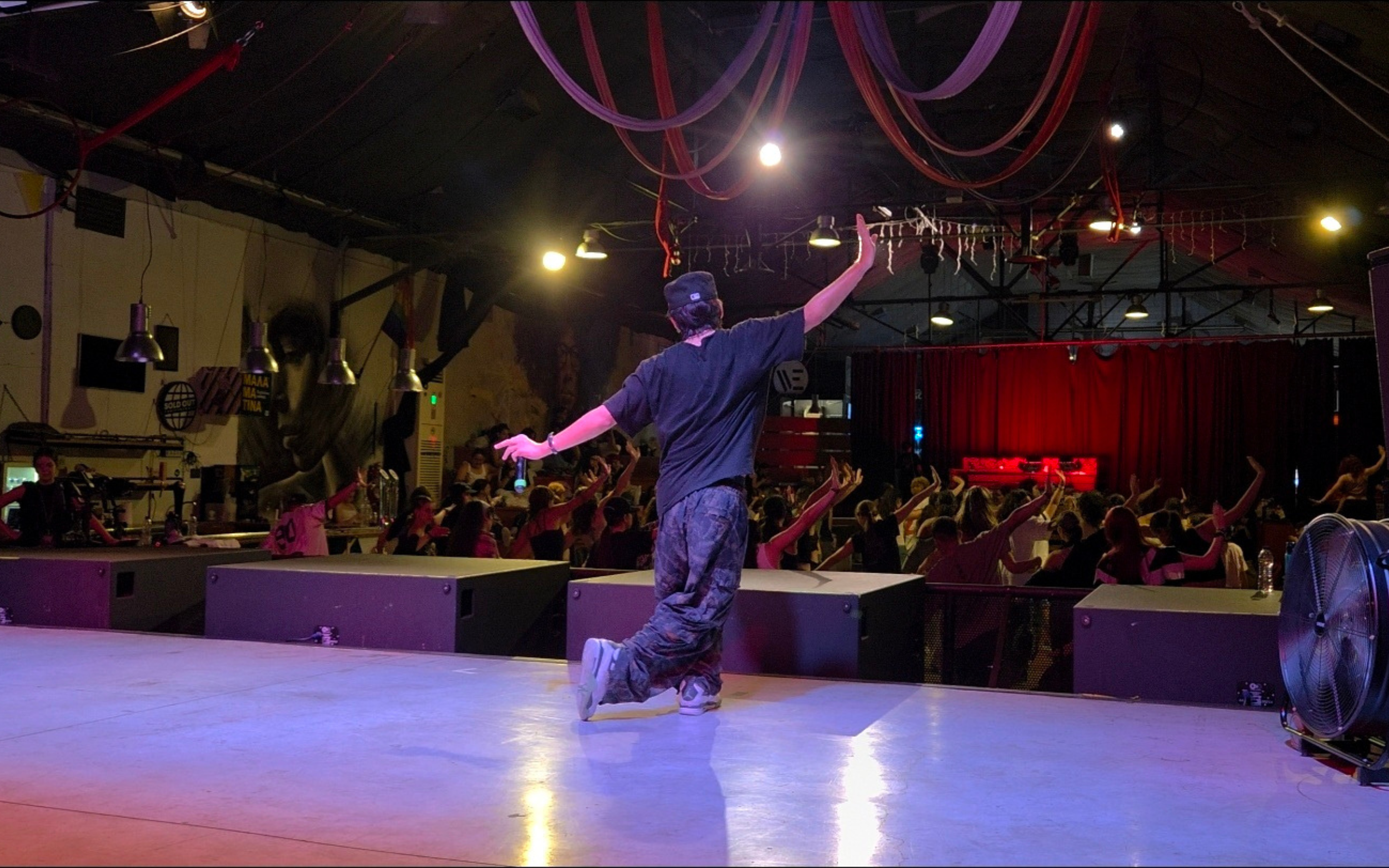
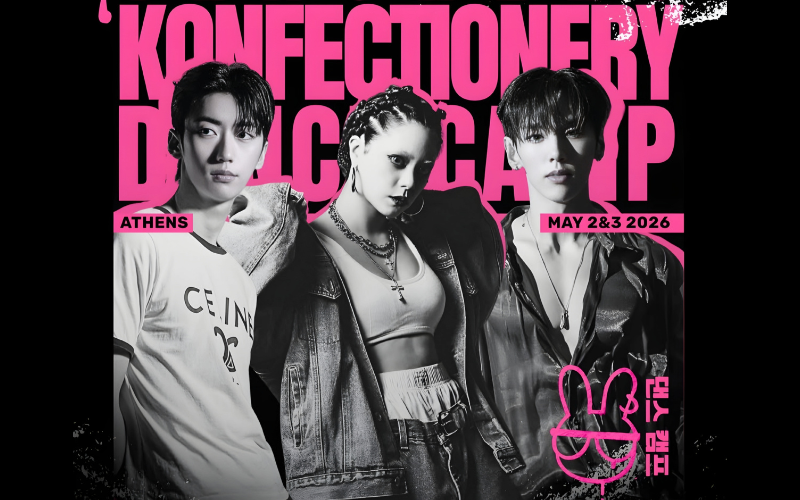
As the workshops of the first day came to an end, the atmosphere at the venue shifted. Dancers, friends, families and supporters gathered for the Level 10K K-pop cover competition, filling the venue with excitement. Hosted by Angelos Petrou, founder and CEO of GET AP Dance Studios and Konfectionery Dance Camp, the competition brought dancers of different ages and experience levels onto the same stage.

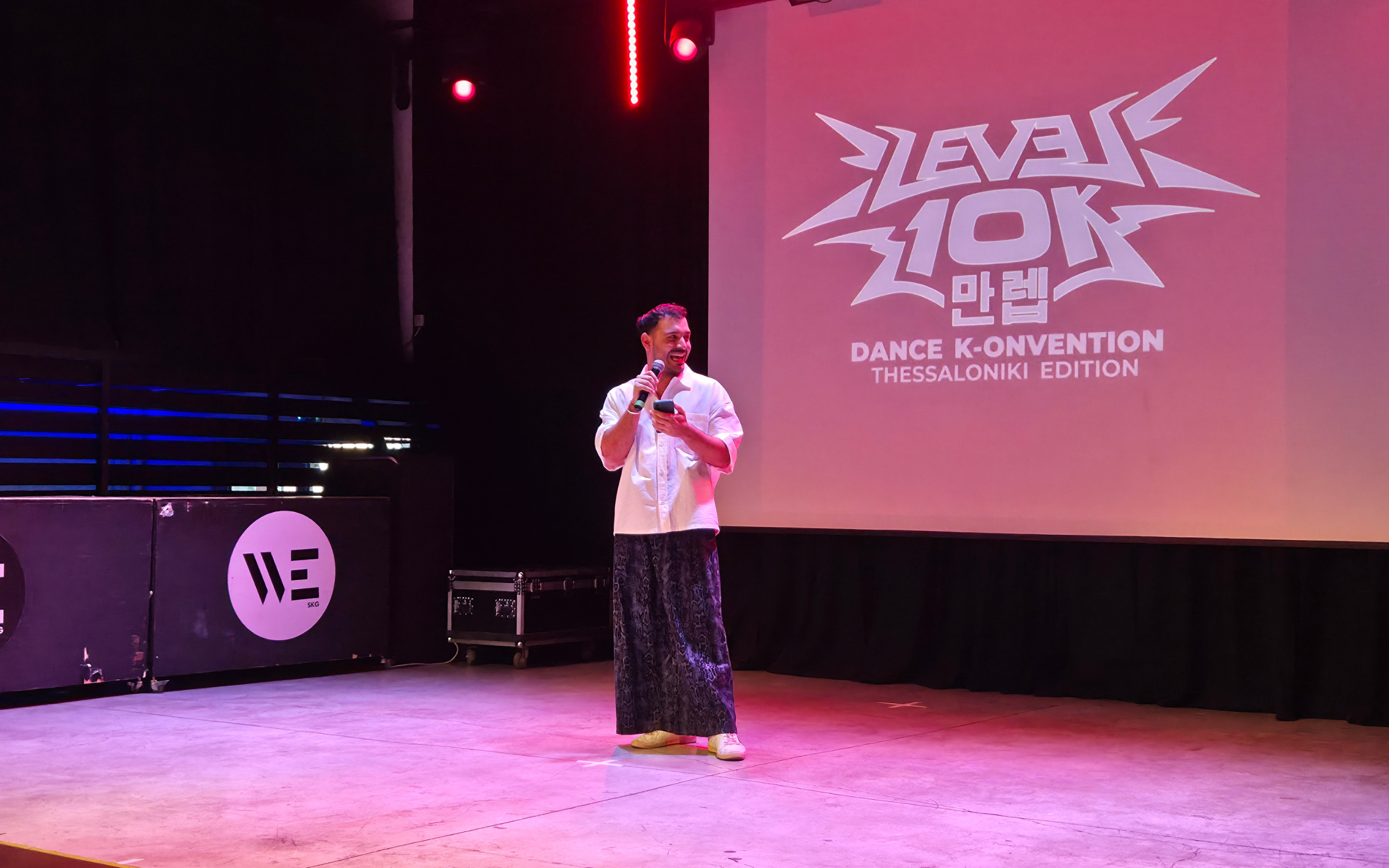
This year also marked the introduction of a new category designed specifically for younger dancers. In addition to the existing youth and adult divisions, Level 10K introduced Junior Solo and Junior Crew categories for children born in 2014 and later, giving the youngest participants their own opportunity to perform and showcase their love for K-pop.
Performances were evaluated according to stage presence, technique, difficulty, expression, and lip sync, overall performance, synchronization and reproduction. Jimmy and Hui judged the first half of the competition, while Yejun and Jrick took over for the second half.
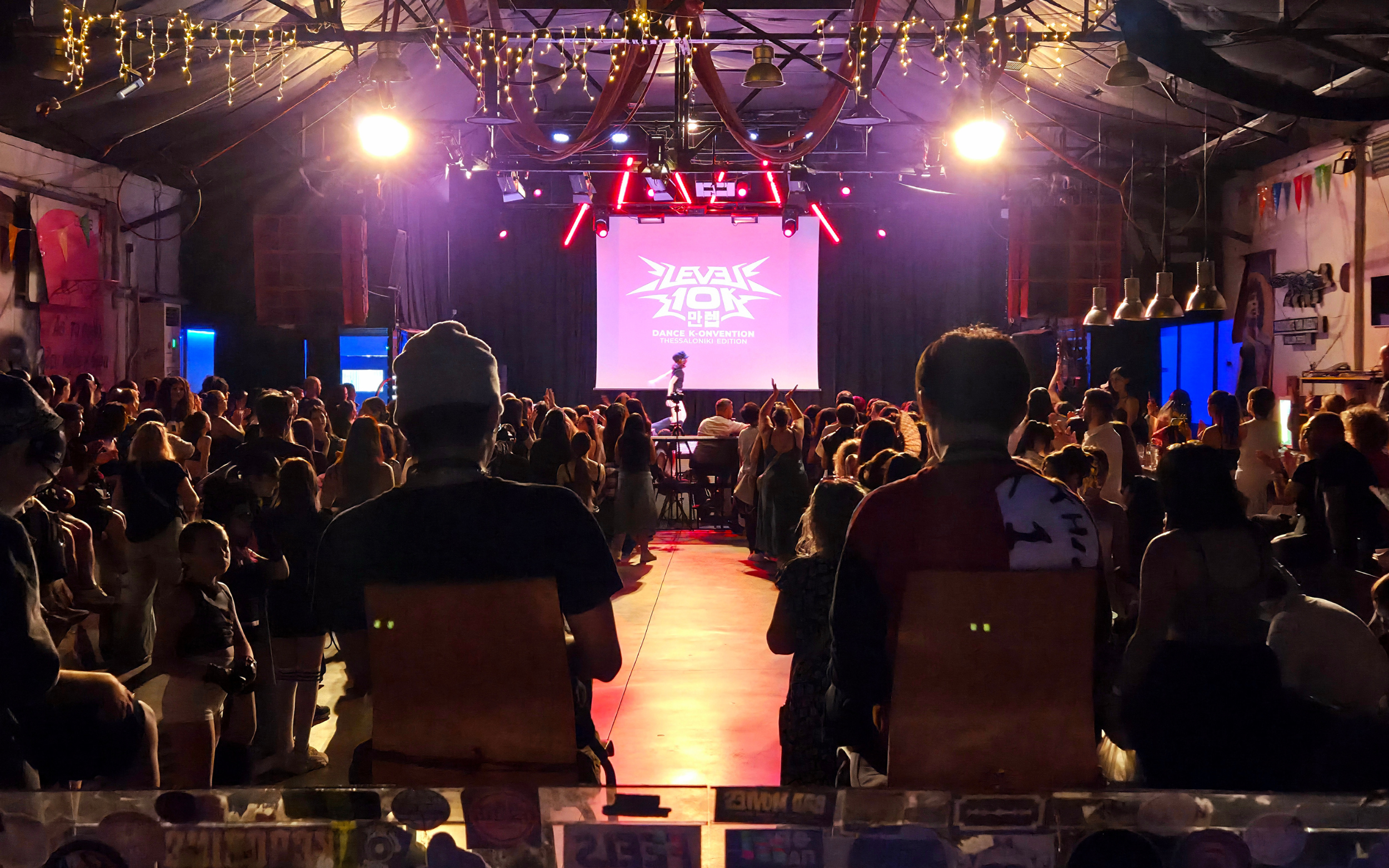

In the Junior Solo K-pop Cover category, open to dancers under 12, Maria-Sofia Papagiannidou took first place with BADVILLAIN’s “BADVILLAIN”. The Youth Solo category, for dancers aged 13-17, produced three winners: Anastasia-Maria Kiologlou with “ZOOM” by BADVILLAIN, Jehagia Stiliani with SUNMIN’s “TAIL” and Maira Theodoraki with DAYOUNG’s “body”. In the Adult Solo category, Krasimir Vatov, performing under the name Chris Void, won with BOYNEXTDOOR’s “ddok ddok ddok”. Among the crews, StitcheZ won the Junior category with BOYNEXTDOOR’s “I Feel Good”, while Sorals took the Youth title with P1Harmony’s “Killin’ It”. In the Adult Crew category, KAEBIS claimed first place with ATEEZ’s “Guerilla”.
June 28 began with Jimmy, who returned to the studio with choreography to Janet Jackson’s “BURNITUP!”. His routine combined his strong R&B and hip-hop foundation with juzz-funk, sharp isolations and intricate beat interpretation. Highly performance-oriented, the choreography featured stylized arm pathways, strong poses and exaggerated performance qualities, encouraging dancers to make each movement visible and purposeful.

Hui followed with choreography to Tyla’s “Truth or Dare” turning the vibe into a more grounded and sensual interpretation of rhythm. His movement vocabulary was a combination between R&B and Afro-influenced elements. With fluid torso and pelvis movement, body rolls and constant weight transfers, Hui created moves that felt relaxed and controlled.

The morning’s most anticipated moment came when Jrick returned to the venue with choreography to EXO’s “Back it Up”. It was a particularly significant choice for the K-pop audience, as the dancers in the room were learning movement directly from the choreographer behind the original performance. The dance reflected Jrick’s strong hip-hop foundation, combining sharp isolations, powerful hits and precise musicality. Grounded footwork, sudden changes of direction and deliberate freezes gave the routine a performance-oriented character. Undoubtedly, this experience was a rare opportunity for the dancers to approach K-pop choreography from the perspective of its creative production.
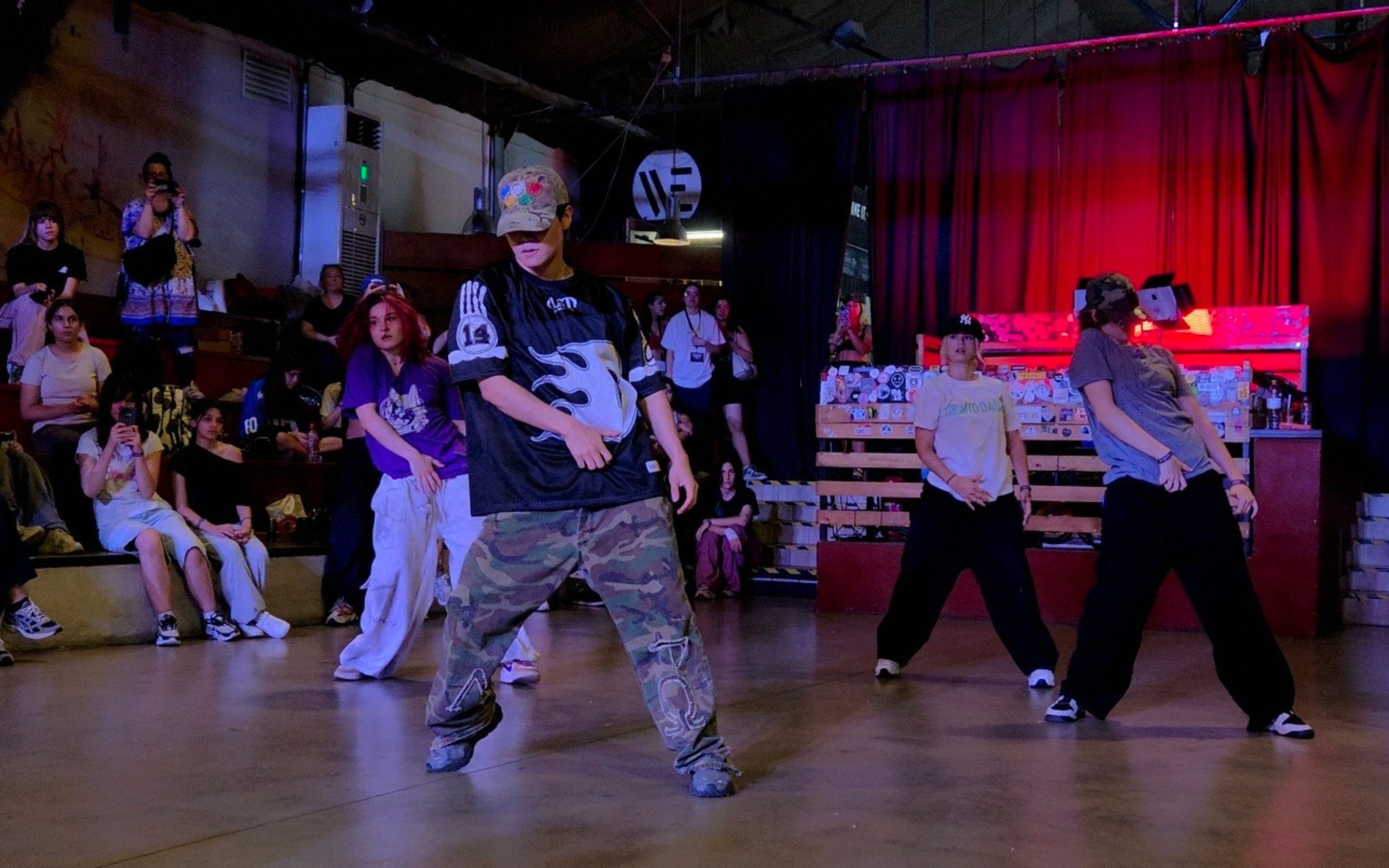
The convention then moved from individual artistry to a collaboration class as Jimmy and Hui joined forces for a special choreography to “OVERDUE” by TAMAE. Their routine combined R&B commercial foundations with hip-hop, including weight shifts, relaxed hip movement and subtle isolations. The collaboration itself became as important as the choreography. Jimmy and Hui shared the floor, so the entire room was filled with a sense of collective excitement and the boundaries between choreographers and students seemed to fade as the entire room moved as one.
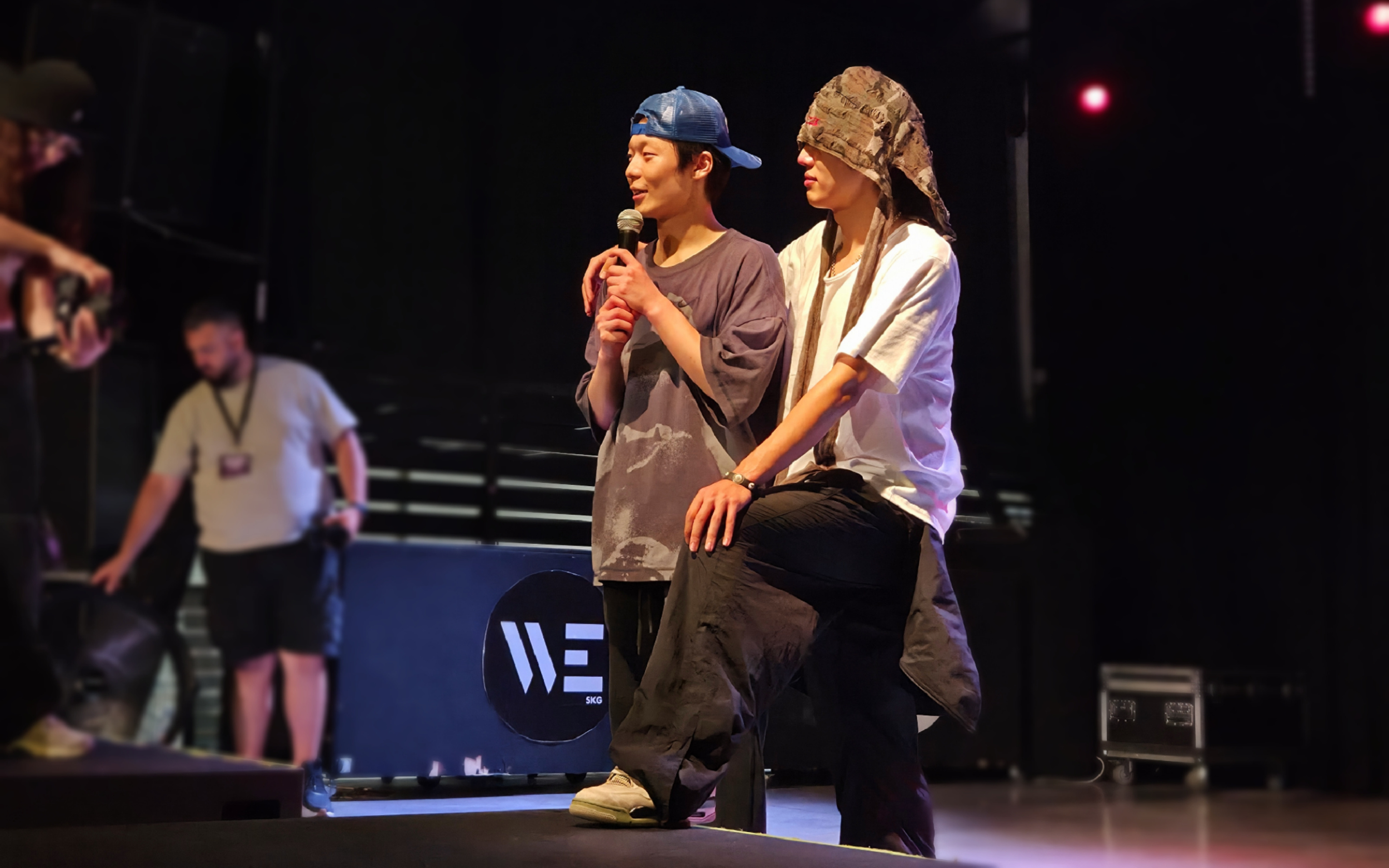
Yejun’s final workshop brought the weekend to a softer, more introspective ending. His song choice was “Beautiful Love – Free Fire” by Justin Bieber and his choreography combined R&B and pop-commercial with lyrical and contemporary influences. This time rather than emphasizing an explosive performance, the routine unfolded through continuous movement, softer arm pathways and rotations. During the class, Yejun stopped to explain the feeling he wanted the choreography to communicate. He encouraged the dancers to imagine themselves moving freely, as though they were outside in a park. The hands, the gaze and the movements themselves, he explained, should feel natural and free. Through this dance, Yejun offered a moment of release and implicitly reminded everyone that freedom and authenticity can be just as powerful as precision and strength.
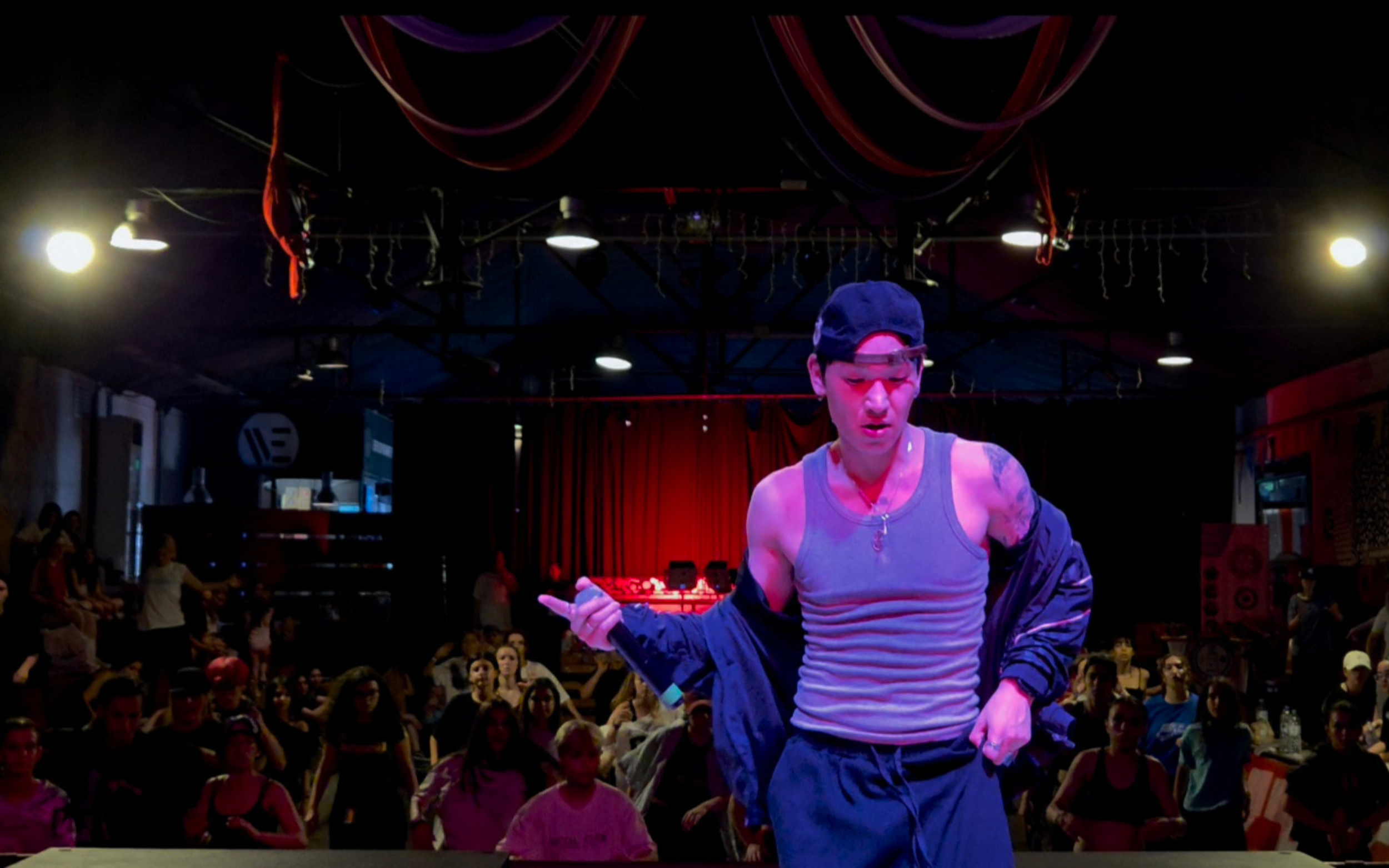
At the conclusion of the final workshop, the four teachers gathered together to address the dancers one last time. For Jrick, the weekend marked a meaningful return to teaching. He explained that he had been extremely busy in recent months and had stopped teaching the previous year, making his Thessaloniki class his first in some time. “I really appreciate it”, he told, adding that he hoped to see the dancers again. Jimmy described the connection he felt with the dancers as the happiest part of the experience, encouraging them to remember why they dance in the first place: “Be happy while you’re dancing. Please don’t forget to dance for fun”. Hui described them as a family, pointing toward Jimmy, Yejun and Jrick. He explained that he had especially wanted to come to Greece because of the audience’s love for K-pop, encouraging everyone in the room to continue nurturing that passion. “Please keep your love for K-pop”, he added. Yejun, meanwhile, kept his farewell simple and warm. After thanking everyone for attending his class, he told the audience “See you next time, I love you”. The weekend ended with all four saying “I love you” in Greek – a small but memorable gesture.
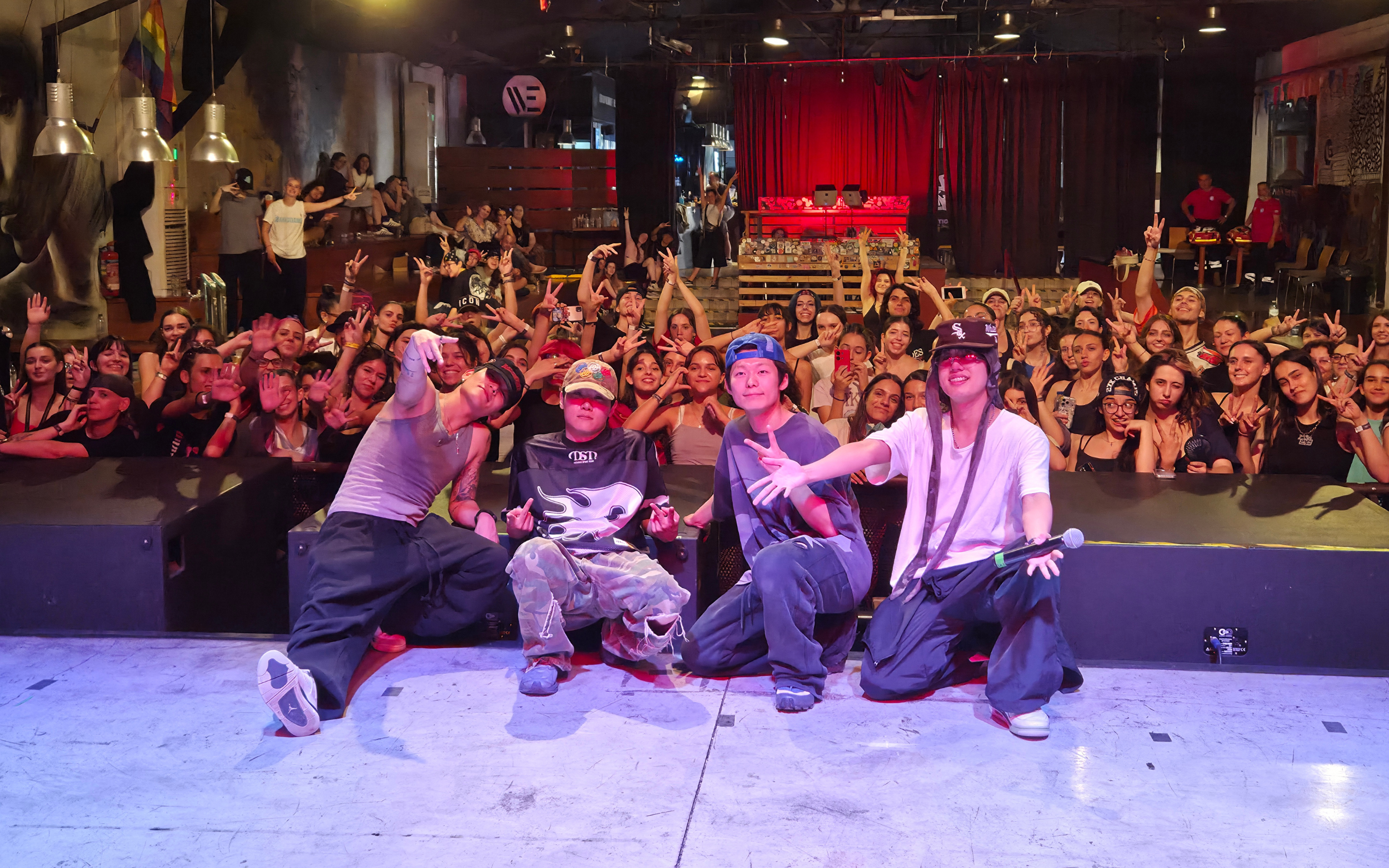
The styles that the four artists brought with them were different but their message repeatedly converged on the same idea: dance is far from only executing movement correctly, but about finding connection, feeling the music and discovering one’s own voice within it. The genuine friendship between the choreographers, their openness toward the dancers and the energy of the Greek dance community through the support of Level 10K was a chance for diving into Korea’s continually evolving dance scene that connects people far beyond Korea’s borders. Maybe this is the most powerful form of cultural exchange. To give people the opportunity to experience culture, to participate in it and eventually speak its language in their own way. In Thessaloniki, that language was dance.